CRYPTO 101 GUIDE
Tokenisation Explained: A Comprehensive Beginner's Guide to Real-World Assets on Blockchain
Learn how tokenisation transforms real-world assets into digital tokens on the blockchain, enhancing liquidity and fractional ownership.
By Laurie Suarez · October 18, 2026
Understanding Tokenisation in Simple Terms
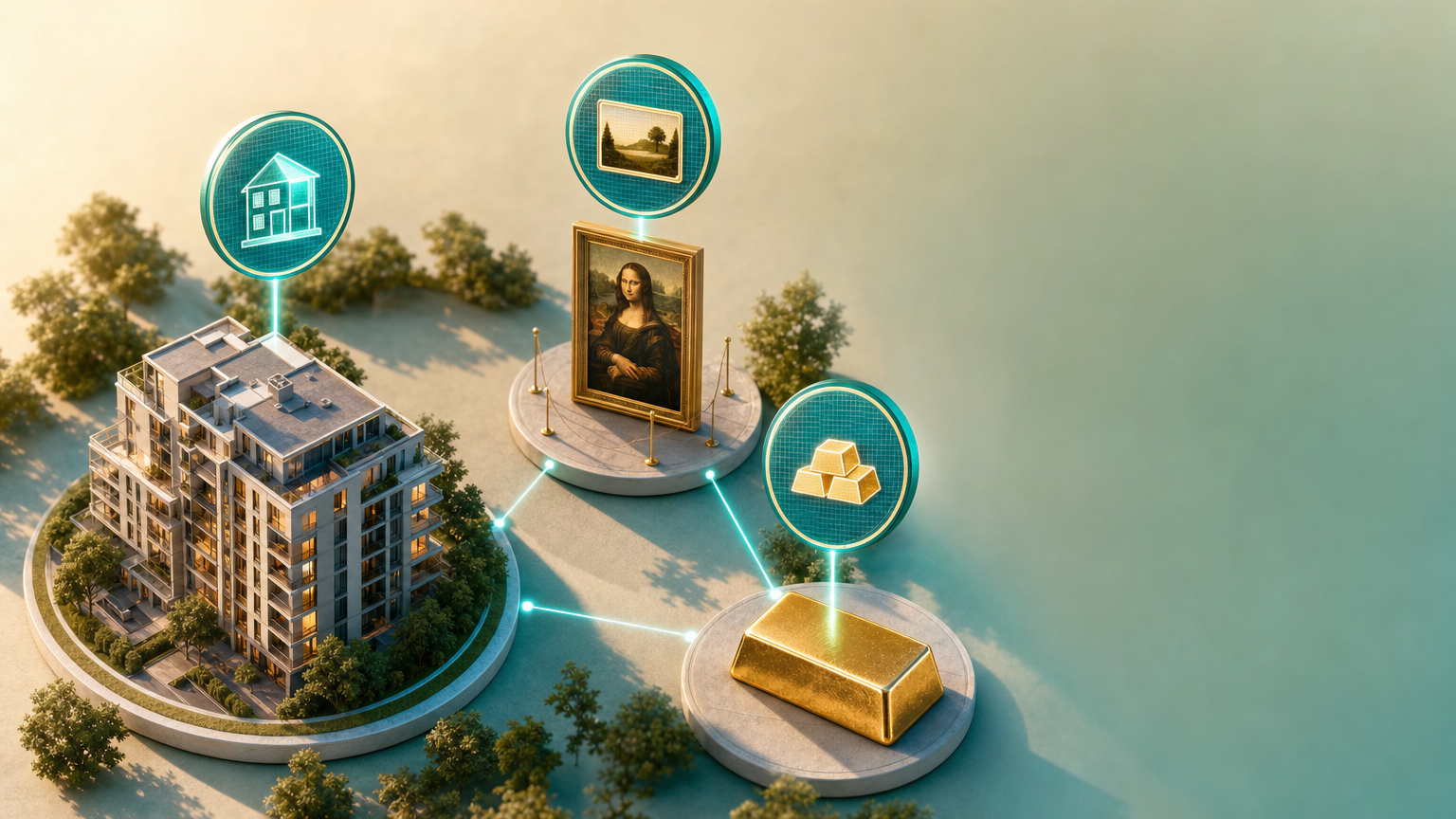
Tokenisation is the process of converting ownership rights of real-world assets, such as property, art, or commodities, into digital tokens that exist on a blockchain. This innovative technology allows individuals and institutions to manage these digital representations of assets in a secure and decentralized manner.
What Is a Token?
In the context of blockchain, a token is a digital unit of value that represents a specific asset or utility. Tokens can represent everything from currency to ownership in a company or a piece of art. They are created through a process called token creation, typically using a smart contract.
How Does Tokenisation Work?
Tokenisation involves three main steps:
- **Identifying the Asset**: The first step is to identify the real-world asset that will be tokenised. This could be anything from real estate properties to fine art.
- **Creating the Token**: Once the asset is identified, a digital representation is created on the blockchain. This involves creating a smart contract that outlines the ownership rights and the details of the asset.
- **Managing Ownership**: After the token is created, it can be bought, sold, or traded on a blockchain platform. Each token can represent a fraction of the asset, allowing for fractional ownership, where multiple people can own a piece of a single asset.
Benefits of Tokenisation
Tokenisation offers several advantages:
- **Fractional Ownership**: Tokenisation enables individuals to invest in high-value assets with a lower financial barrier. For example, instead of needing to purchase an entire property, investors can buy a fraction of it through tokens.
- **Enhanced Liquidity**: Traditional assets can be illiquid, making it hard to sell them quickly. Tokenised assets can be traded on various platforms, increasing their liquidity.
- **Simplified Transfers**: Transferring ownership of tokenised assets can be done quickly and securely on the blockchain, reducing the time and costs associated with traditional transfer methods.
Tokenisation in Different Sectors
Tokenisation is gaining traction across various sectors:
- **Real Estate**: One of the most prominent applications of tokenisation is in real estate. Platforms have emerged that facilitate the buying and selling of tokenised properties, making real estate investment more accessible.
- **Art**: The art world is also embracing tokenisation, where artworks can be tokenised, allowing multiple individuals to invest in high-value pieces.
- **Commodities**: Commodities such as gold or oil can be tokenised, providing investors with easier access to these markets without needing to buy physical assets.
Regulatory Considerations
As tokenisation becomes more prevalent, regulatory frameworks are being developed to address the legal implications of tokenised assets. These regulations aim to ensure compliance and protect investors, providing a safer environment for those looking to invest in tokenised assets.
Conclusion: The Future of Tokenisation
Tokenisation is an exciting development in the financial landscape, offering numerous benefits and creating new opportunities for investors. As technology continues to evolve, so will the potential applications of tokenisation across various industries. Understanding this concept is crucial for anyone interested in the future of investing.
Key Takeaways
- Tokenisation converts real-world asset ownership into digital tokens.
- It allows for fractional ownership, enhancing liquidity and simplifying transfers.
- Regulatory frameworks are emerging to ensure compliance and investor protection in tokenisation.
Frequently Asked Questions
What types of assets can be tokenised?
Tokenisation can be applied to various assets, including real estate, art, commodities, and even intellectual property.
How does tokenisation enhance liquidity?
Tokenised assets can be traded on blockchain platforms, allowing for quicker and easier transactions compared to traditional assets, which may take longer to sell.
Is tokenisation safe?
While tokenisation offers many benefits, it is essential to consider regulatory compliance and the security of the blockchain platform used for transactions.
Can I invest in tokenised assets?
Yes, individuals can invest in tokenised assets through various platforms that facilitate the buying and selling of these digital tokens.
What is fractional ownership in tokenisation?
Fractional ownership allows multiple investors to own a portion of a high-value asset through tokenisation, making it more accessible for smaller investors.