CRYPTO 101 GUIDE
How to Select the Right Cryptocurrency Wallet for New Users
Learn how to select the right cryptocurrency wallet to safeguard your digital assets securely.
By Laurie Suarez · September 16, 2026
Understanding Cryptocurrency Wallets
When you start your journey in cryptocurrency, one of the first decisions you'll need to make is selecting a wallet. A cryptocurrency wallet is a digital tool that allows you to store, send, and receive digital currencies like Bitcoin and Ethereum. Understanding the different types of wallets and their features is critical to ensuring the security and accessibility of your digital assets.
Types of Cryptocurrency Wallets
There are several types of cryptocurrency wallets, each with its own advantages and disadvantages. The main categories include:
1. Hot Wallets
Hot wallets are connected to the internet and are generally more convenient for everyday transactions. Examples include:
- **Web Wallets:** Accessed through web browsers, these wallets are easy to use but may expose your assets to online threats.
- **Mobile Wallets:** Installed as apps on smartphones, they offer an easy way to manage your crypto on the go.
- **Desktop Wallets:** Software installed on your computer, providing more control than web wallets but still vulnerable to malware.
2. Cold Wallets
Cold wallets are not connected to the internet, making them more secure against hacking attempts. They include:
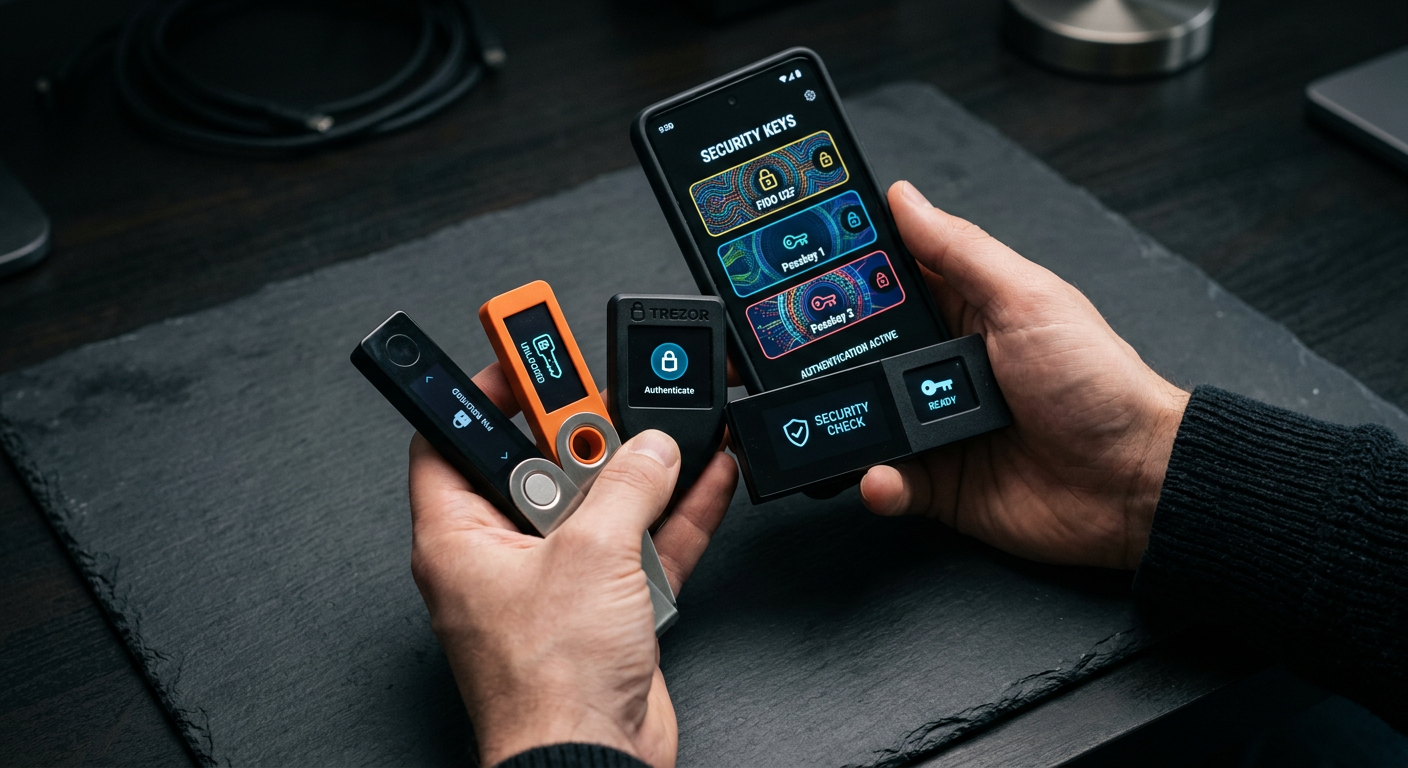
- **Hardware Wallets:** Physical devices that store your private keys offline. Examples include Ledger and Trezor.
- **Paper Wallets:** A printed piece of paper containing your public and private keys. While they are immune to online attacks, they can be lost or damaged.
Key Considerations for Selecting a Wallet
When choosing a cryptocurrency wallet, consider the following factors to determine which type best suits your needs:
Security Features
Security should be your top priority. Look for wallets that offer:
- **Two-Factor Authentication (2FA):** An extra layer of security requiring a second form of identification.
- **Multi-Signature Capabilities:** Requires multiple private keys to authorize a transaction, enhancing security.
- **Backup and Recovery Options:** Ensure you can recover your funds in case you lose access.
User Experience
The wallet's interface should be beginner-friendly. Look for wallets with:
- **Intuitive Design:** Easy navigation to perform transactions without confusion.
- **Customer Support:** Access to help if you encounter issues.
Compatibility
Check if the wallet supports the cryptocurrencies you intend to store. Some wallets only support major coins like Bitcoin and Ethereum, while others allow a wider range of altcoins.
Fees
Understand any fees associated with using the wallet. While some wallets are free, others may charge for transactions, withdrawals, or currency conversions.
Best Practices for Managing Your Cryptocurrency Securely
Once you've selected a wallet, follow these best practices to manage your cryptocurrency safely:
- **Keep Your Private Keys Secure:** Your private key is like your bank password. Never share it and store it securely.
- **Use Strong Passwords:** Create complex passwords for your wallets and enable 2FA wherever possible.
- **Regularly Update Software:** If you're using a software wallet, keep it updated to protect against vulnerabilities.
- **Be Cautious with Public Wi-Fi:** Avoid accessing your wallet over unsecured networks.
Conclusion
Selecting the right cryptocurrency wallet is vital for new users looking to protect their digital assets. By understanding the types of wallets available, considering essential features, and following best practices for security, you can make informed choices that align with your needs as you navigate the cryptocurrency landscape. The focus on security will only intensify as the market evolves, so stay informed and proactive in managing your investments.
Key Takeaways
- Choose between hot and cold wallets based on your needs.
- Prioritize security features like 2FA and multi-signature options.
- Ensure the wallet is user-friendly and compatible with your desired cryptocurrencies.
- Always keep your private keys secure and use strong passwords.
Frequently Asked Questions
What is a cryptocurrency wallet?
A cryptocurrency wallet is a digital tool that allows users to store, send, and receive digital currencies securely.
What are the different types of cryptocurrency wallets?
The main types are hot wallets (connected to the internet) and cold wallets (offline storage), each with unique advantages and disadvantages.
How do I choose the right wallet for my needs?
Consider factors such as security features, user experience, compatibility with cryptocurrencies, and any associated fees when selecting a wallet.
Are cold wallets safer than hot wallets?
Yes, cold wallets are generally considered safer because they are not connected to the internet, reducing the risk of hacking.
What should I do if I lose access to my wallet?
Ensure that your wallet has backup and recovery options, which will allow you to regain access to your funds if you lose your wallet or forget your credentials.