CRYPTO 101 GUIDE
How Cryptocurrency Transactions Work: A Comprehensive Guide
Discover how cryptocurrency transactions work, including wallet addresses, confirmations, fees, and common mistakes to avoid.
By Laurie Suarez · October 14, 2026
What Are Cryptocurrency Transactions?
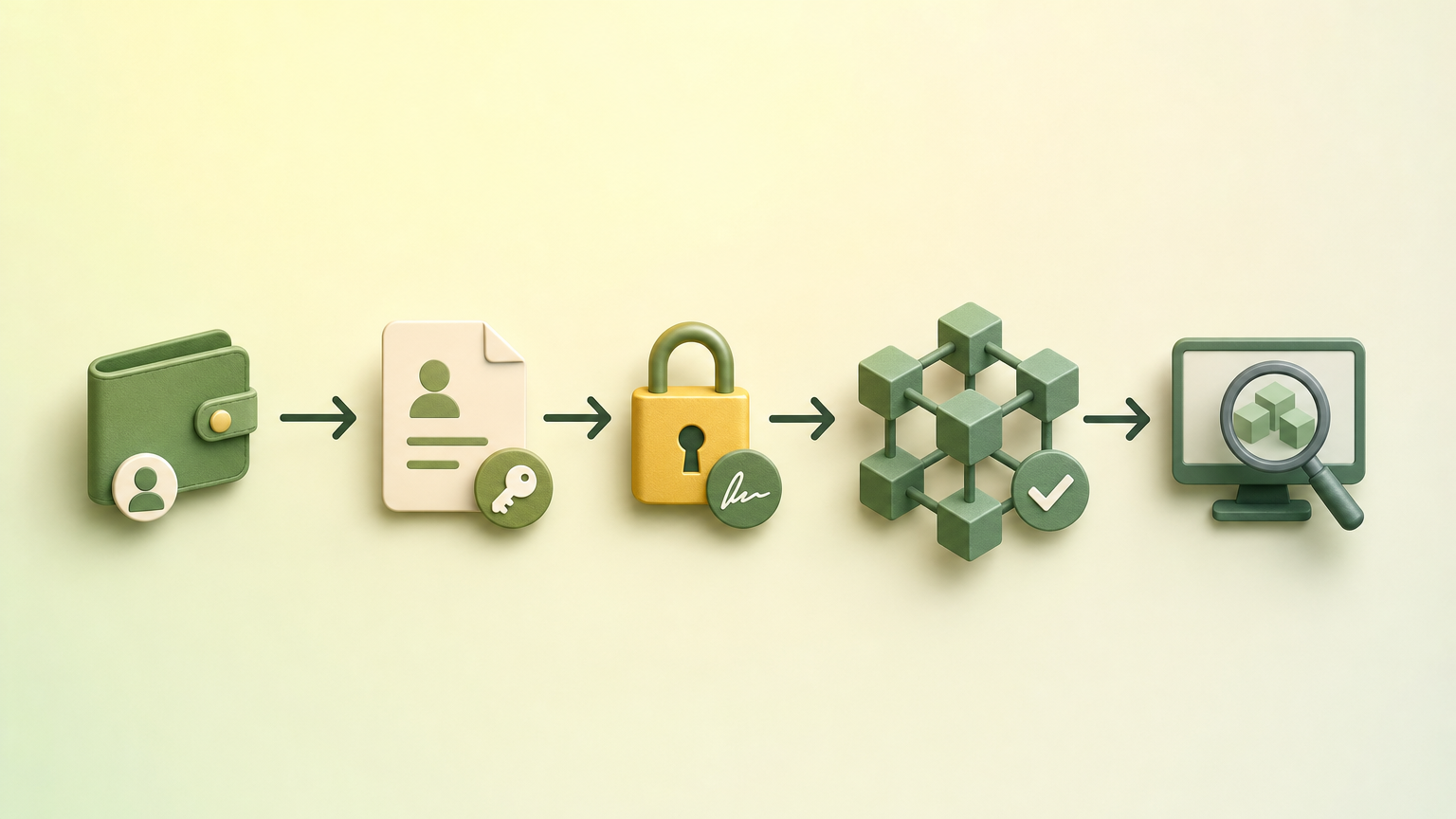
Cryptocurrency transactions are the means by which users send and receive digital currencies, like Bitcoin or Ethereum. Understanding how these transactions work is essential for anyone looking to engage with cryptocurrencies. In this guide, we'll break down the journey of a transaction from your wallet to the blockchain, covering important concepts such as wallet addresses, transaction signatures, blockchain explorers, network confirmations, gas fees, and common transfer mistakes.
Wallet Addresses: The Digital Destination
A wallet address is a unique string of characters that represents a destination for cryptocurrency. It serves a similar purpose to an email address but is specifically tailored to facilitate the transfer of digital assets. Each address is derived from a public key, which is part of a pair that includes a private key. The public key is shared to receive funds, while the private key must remain secret and is used to authorize transactions.
How Wallet Addresses Are Generated
Wallet addresses can be generated using various algorithms, and different cryptocurrencies have different address formats. For example, Bitcoin addresses typically start with a '1', '3', or 'bc1', while Ethereum addresses usually start with '0x'. Knowing the correct address format for the cryptocurrency you are using is crucial to ensure that your funds reach the correct destination.
Transaction Signatures: Authorizing Transfers
When you initiate a cryptocurrency transaction, you need to authorize it using a transaction signature. This is a cryptographic proof that demonstrates you have the right to spend the funds associated with your wallet address. The transaction signature is created using your private key and ensures that only you can authorize the movement of your cryptocurrency.
The Role of Cryptography in Transaction Signatures
Cryptography plays a vital role in securing cryptocurrency transactions. The use of algorithms ensures that the transaction signature is unique and tamper-proof. This means that once the transaction is signed and sent to the network, it cannot be altered without invalidating the signature.
Blockchain Explorers: Tracking Transactions
A blockchain explorer is a web application that allows users to view and track transactions on a blockchain. By entering a wallet address or transaction ID into a blockchain explorer, you can see the transaction history, including the amount sent, the sender's and receiver's addresses, and the status of the transaction.
Popular Blockchain Explorers
Some popular blockchain explorers include:
- **Blockchain.com**: Primarily used for Bitcoin transactions.
- **Etherscan**: A well-known explorer for Ethereum transactions.
- **Blockchair**: Supports multiple cryptocurrencies and provides detailed analytics.
Using a blockchain explorer can help you confirm that your transaction was successful and see how long it took to be processed.
Network Confirmations: Ensuring Validity
When a transaction is broadcasted to the network, it is not immediately considered complete. Instead, it must be confirmed by the network. This process involves miners or validators verifying the transaction. Once a transaction has been included in a block, it receives its first confirmation. Additional confirmations occur as more blocks are added to the blockchain.
Why Confirmations Matter
The number of confirmations a transaction has can affect its perceived security. Generally, more confirmations indicate a lower likelihood of a transaction being reversed or altered. For Bitcoin, it's commonly suggested to wait for at least six confirmations for significant transactions. However, for smaller amounts, one or two confirmations may suffice.
Gas Fees: What Are They and Why Do They Matter?
Gas fees are transaction fees paid to miners or validators for processing transactions on a blockchain. These fees can vary based on network congestion and the complexity of the transaction. For example, Ethereum transactions require gas fees that are denominated in Gwei, which is a subunit of Ether (ETH).
How Gas Fees Are Calculated
Gas fees are calculated based on two main components: **Gas Limit** and **Gas Price**.
- **Gas Limit**: This is the maximum amount of gas a user is willing to spend on a transaction. Complex transactions (like those involving smart contracts) require more gas.
- **Gas Price**: This is the amount of cryptocurrency a user is willing to pay per unit of gas. Higher gas prices can lead to quicker transaction processing during times of high demand.
Understanding gas fees is crucial for managing costs effectively while using cryptocurrencies.
Common Transfer Mistakes to Avoid
While engaging in cryptocurrency transactions, users can make several common mistakes that may lead to lost funds or failed transactions. Here are a few to watch out for:
- **Sending to the Wrong Address**: Always double-check the wallet address before sending funds. Transactions cannot be reversed.
- **Neglecting to Consider Network Fees**: Be aware of gas fees and ensure you have enough funds in your wallet to cover them.
- **Ignoring Transaction Confirmations**: Make sure to wait for sufficient confirmations before considering a transaction complete, especially for larger amounts.
- **Using Unsupported Wallets**: Ensure that the wallet you are sending from or to supports the specific cryptocurrency you are transacting.
- **Sharing Private Keys**: Never share your private keys with anyone. This is critical for maintaining the security of your funds.
Conclusion: The Importance of Understanding Crypto Transactions
Understanding how cryptocurrency transactions work is essential for anyone involved in the crypto space. With advancements in blockchain technology and increasing regulatory scrutiny, being informed can help you navigate this evolving landscape. By grasping the concepts of wallet addresses, transaction signatures, confirmations, gas fees, and common mistakes, you can engage with cryptocurrencies more confidently and securely.
Keeping up with the latest developments in the industry can further enhance your understanding and make your experience more rewarding. As technologies like Layer 2 solutions continue to emerge, the landscape of cryptocurrency transactions will evolve, potentially improving speed and reducing fees.
Key Takeaways
- A wallet address is essential for receiving cryptocurrencies and is derived from a public key.
- Transaction signatures authorize the transfer of funds using cryptography.
- Blockchain explorers help track transaction histories and confirm statuses.
- Network confirmations ensure the validity of transactions on the blockchain.
- Gas fees are crucial for processing transactions and can vary based on network conditions.
- Avoiding common transfer mistakes can save you from losing funds.
Frequently Asked Questions
What is a cryptocurrency transaction?
A cryptocurrency transaction is the process of sending or receiving digital currencies, which involves transferring ownership from one wallet address to another.
How long do cryptocurrency transactions take to confirm?
The confirmation time for cryptocurrency transactions varies based on the network and current congestion. Bitcoin transactions can take from 10 minutes to several hours, while Ethereum transactions may confirm in seconds to minutes.
What are gas fees in cryptocurrency?
Gas fees are transaction fees paid to miners or validators for processing transactions on a blockchain, and they can fluctuate based on network demand and transaction complexity.
How can I track my cryptocurrency transaction?
You can track your cryptocurrency transaction using a blockchain explorer by entering your wallet address or transaction ID to view its status and history.
What should I do if I sent cryptocurrency to the wrong address?
If you send cryptocurrency to the wrong address, there is no way to reverse the transaction. Always double-check addresses before sending to avoid this mistake.